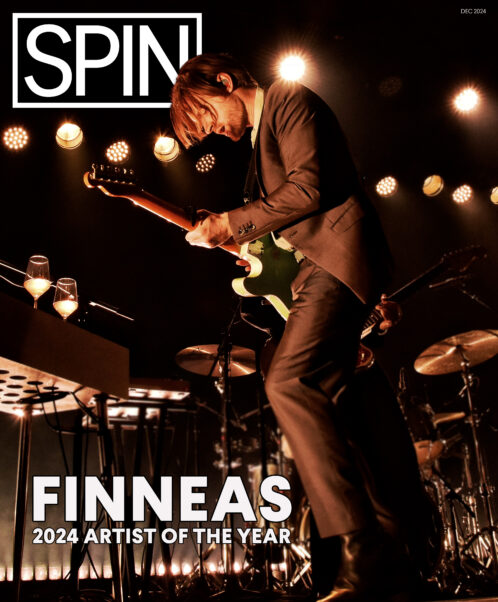
It’s been five years since I spoke to Finneas last. That time it was at his former home in the Highland Park area. His sister Billie Eilish’s debut album, which Finneas co-wrote and produced, was released earlier that year, destroying prior concepts about popular music. He hadn’t yet won 10 Grammys—including Producer of the Year, and a pair each of Academy Awards and Golden Globes for his Bond and Barbie songs with Billie. Even so, Finneas had a confidence that was unnerving and a maturity far beyond his 22 years.
Now, at 27, Finneas is even more self-assured. It feels like he’s aged at least 20 years when it comes to his worldview and understanding of not only people but himself. In a few days from now, he will have a few more Grammy nominations including Album of the Year for Hit Me Hard and Soft, Record of the Year and Song of the Year for “Birds of a Feather.”
Today, Finneas is wearing a worn-out Testament T-shirt that looks like one of Target’s graphic music tees, but I know it’s not. His pants and Nikes are equally worn. He continually moves his black baseball cap to tuck in errant strands of his red hair. Once we’re settled on a couch in one of the studio’s smaller rooms, he fidgets and reorganizes his long limbs repeatedly, while flashes of the gum he’s chewing appear and reappear.
“Supremely confident” is how I referred to him in 2019. After attending one of his shows that year, I began watching his extremely likable influencer/actor girlfriend Claudia Sulewski’s unintentionally calming YouTube videos (in which Finneas appears frequently, making him a reality star of sorts), and adopting many of her habits and recommendations. Shouts of “Claudia! Claudia!” are heard often during Finneas’ concerts, which is why I looked her up. She is partially visible on the album cover, and stars in the videos for “Lotus Eater” and the title track.
There are practices and products I’ve picked up from Claudia. I share this with Finneas, and he throws his head back with laughter. “I’ll have to tell her that,” he says, smiling from ear to ear, effortlessly charming—one of his key characteristics.
Finneas occupies an interesting space in the fame spectrum. He is centrally involved with some of the most high-profile entertainment IPs of the last half-decade, yet he has the luxury of being relatively low profile in everyday life. “I’m in a sweet spot where I’m famous enough to get a table at a restaurant, but not enough to have a photo on the restaurant wall,” he chuckles. “I have such a good thing going. I don’t want Billie’s level of fame and notoriety at all. That’s become more true every day of the last five years.”
This is not to say that Finneas doesn’t have ambitions for his solo music, or the many other creative projects in which he is involved, including his recent score for Alfonso Cuarón’s Apple TV+ series Disclaimer starring Cate Blanchette, Kevin Kline, and Sacha Baron Cohen, and his role as one of Stephanie Hsu’s love interests, “Bad Sex Jason,” in the upcoming Peacock series, Laid.
“I have very different expectations for what my solo music is going to achieve to what Billie has achieved,” he says. “But in terms of my ambition, my goals and expectations, I don't want anyone to ever think, ‘His solo stuff would be really huge if he'd just try.’ I don't want to be the thing in the way of my music doing really well.”
Finneas isn’t afraid to show his ambition and it’s refreshing to experience. He does a fair bit of name-dropping, but not for the sake of it, only if it helps illustrate a point he’s making or describes a learning experience he had. He bumped into Lewis Capaldi the other evening who gave him props on his album. Last night, he was at an event with the most notable composers in Hollywood, Hans Zimmer, Diane Warren, Harry Gregson-Williams, and Lesley Barber among them. He quotes his friend Charlotte Lawrence’s father, Bill Lawrence. Finneas is quick to give a disclaimer before mentioning anyone’s name, but these are the people that exist in his professional circle.
As an A-list songwriter and producer, Finneas is in many sessions with marquee artists as well as up-and-comers. Out of these sessions he’s had positive outcomes, which for him means the song he worked on getting the attention and push he feels it deserves, and not-so-positive outcomes where the song has disappeared as a non-single album cut.
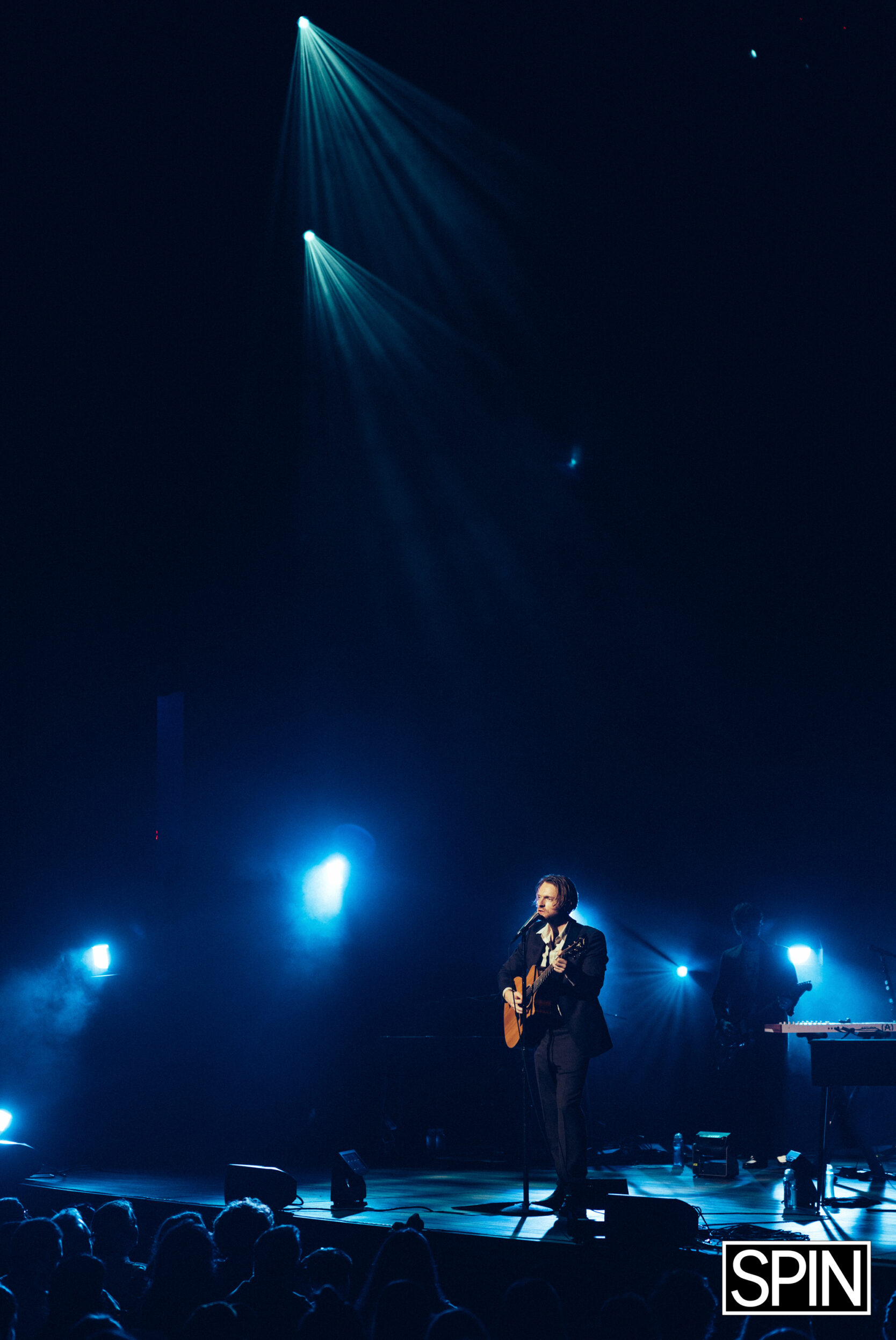
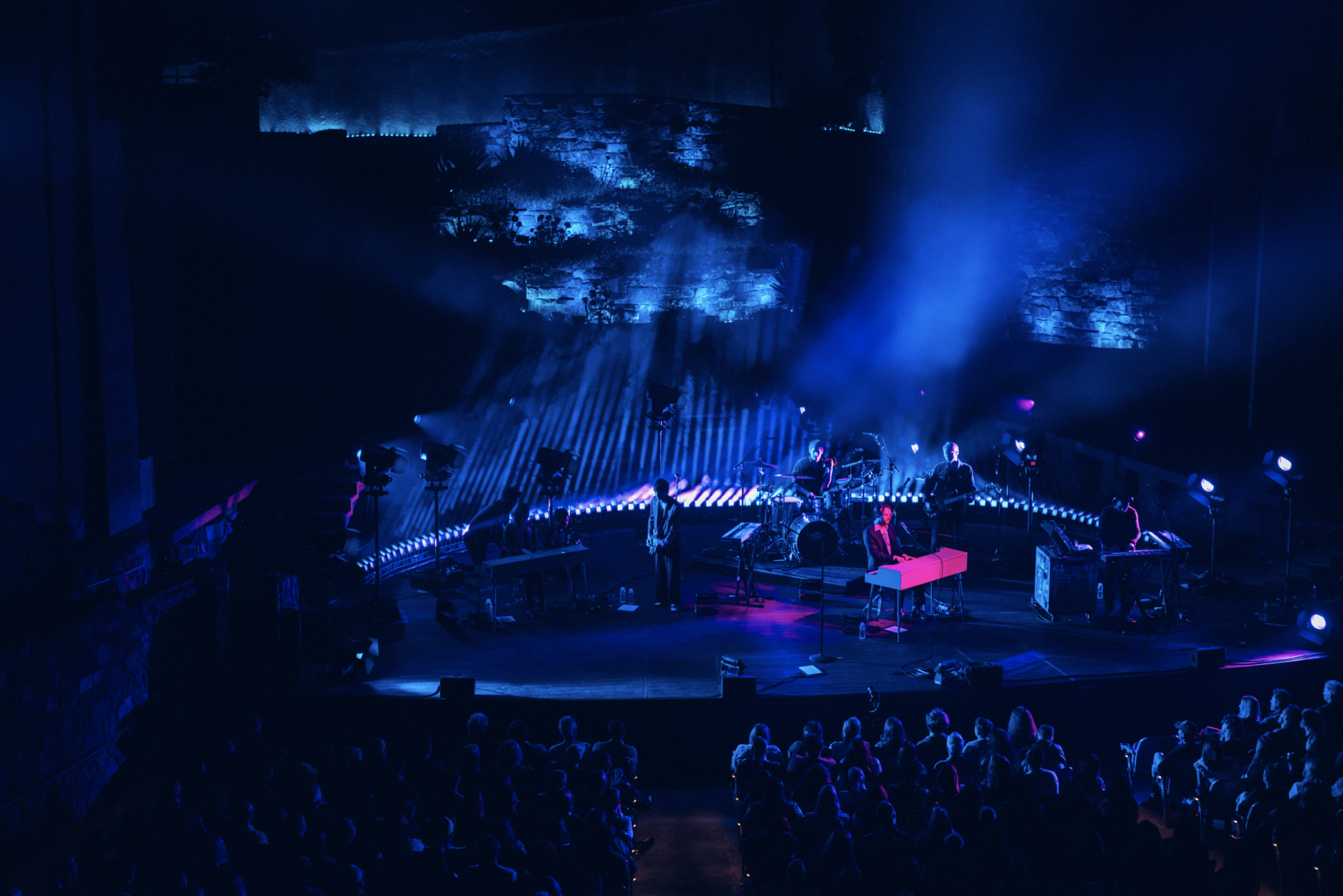
“A big part of this album was me wanting to do it justice,” he says. “I want to take these songs I’m really passionate about, tell a story with them, and expand the album’s universe: here’s the people that played on it, here is the room we recorded it in, here’s a live video of it. It’s about giving people the opportunity to understand it.”
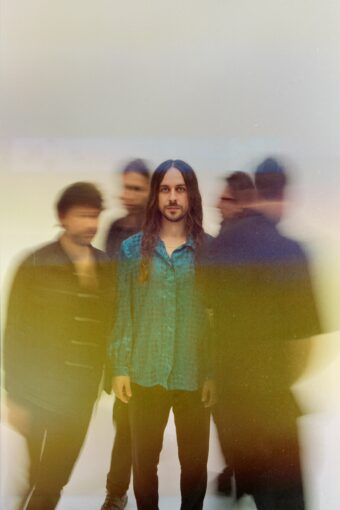
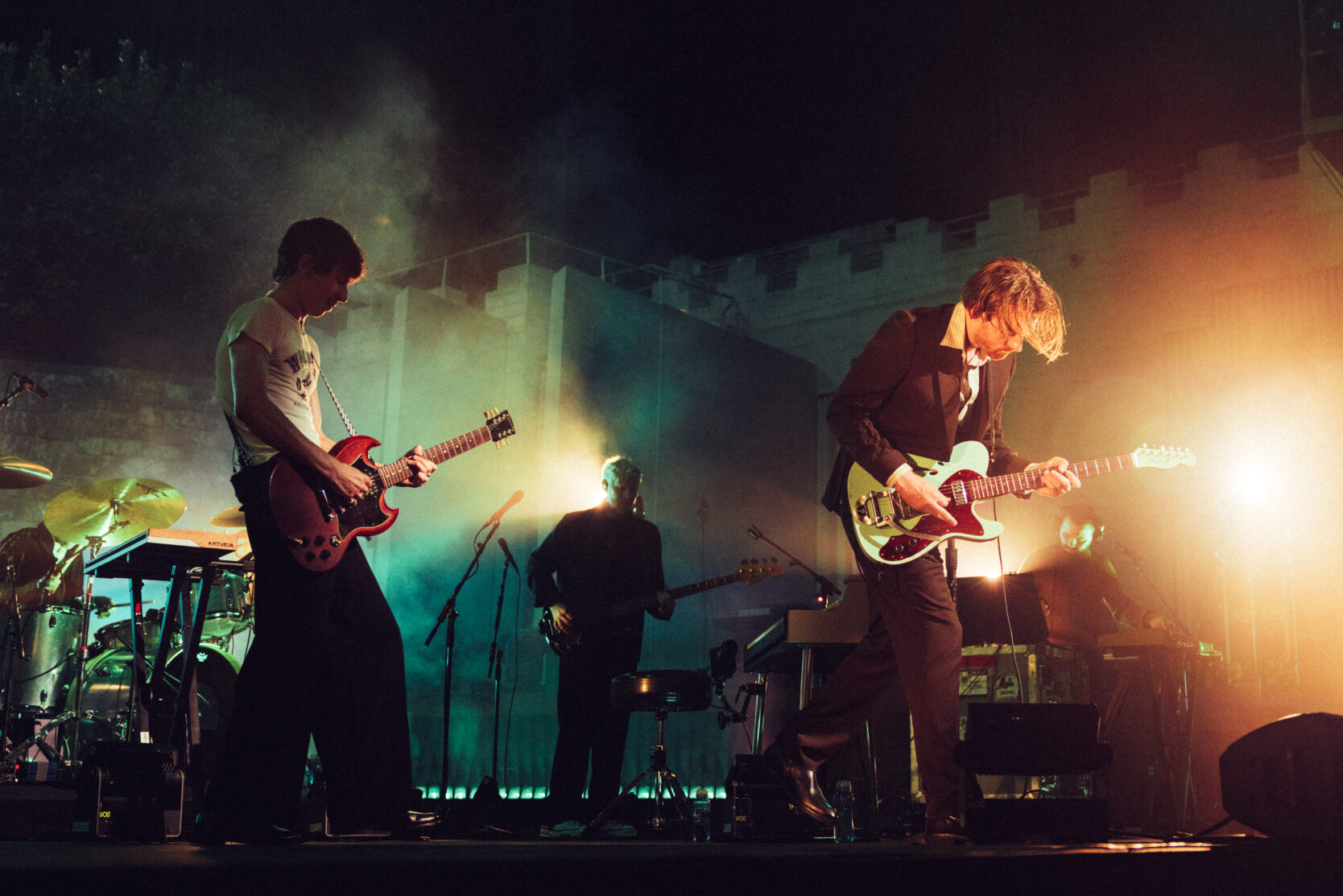
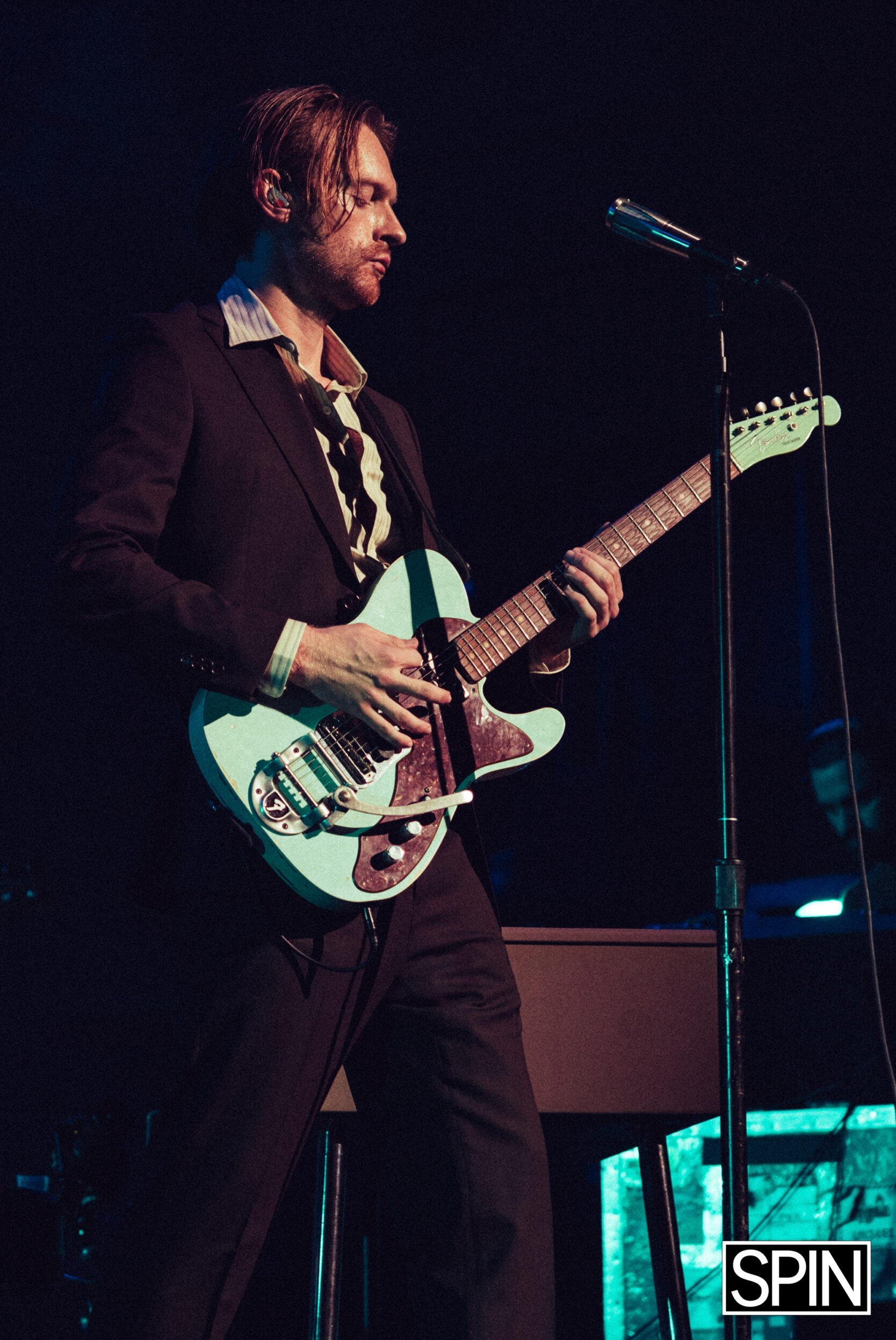
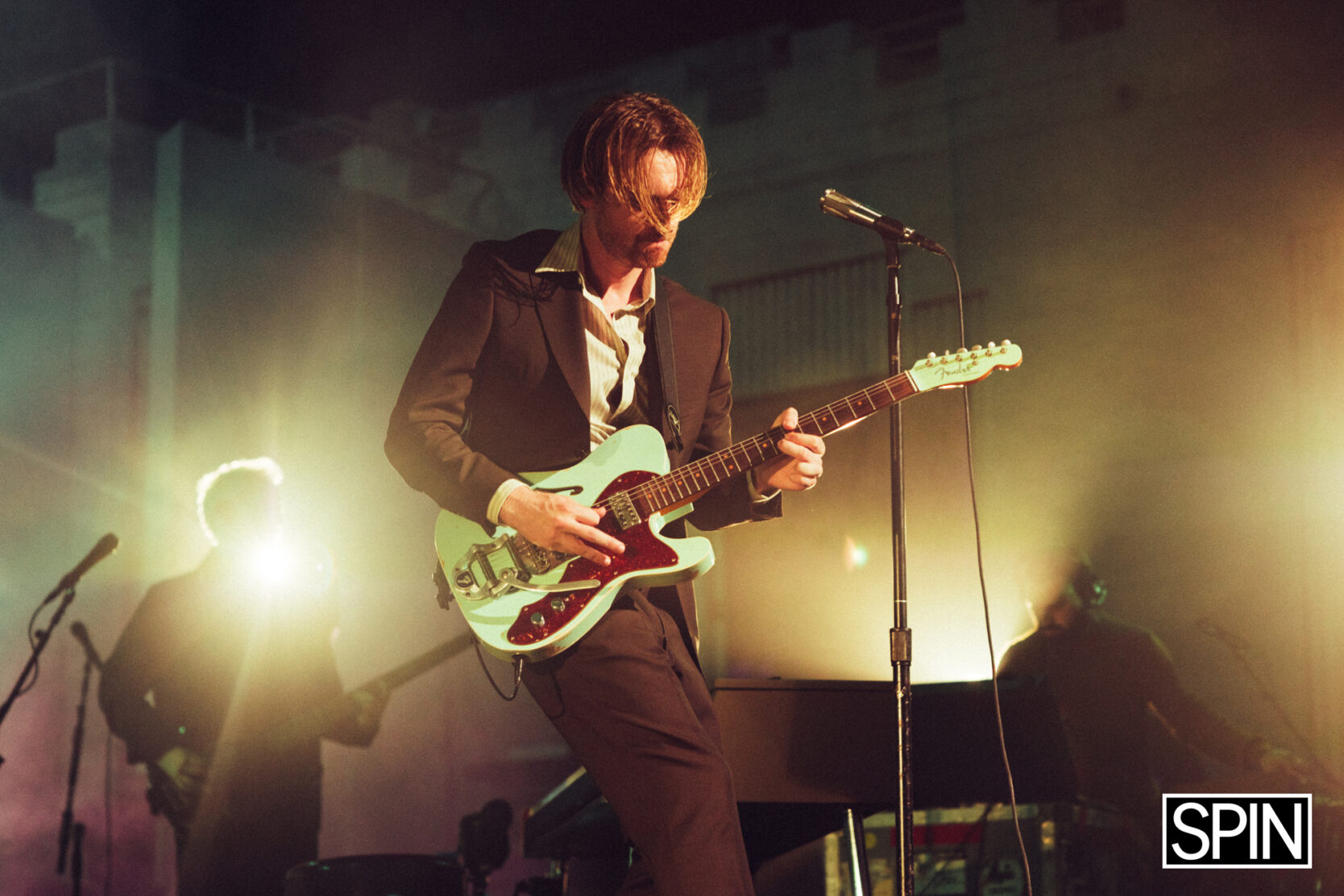
For Cryin’ Out Loud sees Finneas writing and recording in a traditional band format, a way he hasn’t since he was 18. His debut solo album, Optimist, and his many singles and EPs were created by him in bedroom-producer fashion. He chose good friends to collaborate with, including Aron Forbes, Billie’s musical director who worked with her and Finneas from before they started performing live.
Now, Finneas isn’t the “taskmaster” he describes his 13-year-old self as being. “Dictating parts and bossing everybody around. In retrospect, I wish I had a looser grip on the reins and been more friendly. I would have learned more doing that,” he reflects.
On the other hand, “You could make an argument that the career I have now is because I was always that way,” Finneas says. “But I try not to be that way. One of the things I've gotten really good at over the years is the nicest way to tell somebody I don't like their idea. It might take an extra two minutes, but you're going to have a less disenfranchised group of people by the end of it.”
For Cryin’ Out Loud was a group effort for a solo goal, which might be why the album sounds so intimate. “I went into the process really relaxed,” says Finneas. “I’m a confident writer. I wasn’t less confident in a room full of people. Everybody went into it knowing they were helping me make my record. I could make this album alone. I don't need to bring a bunch of people in, but the days they're in the studio, I better be a good collaborator. I don't want to be a collaborator that steamrolls anybody. If I have an ongoing relationship with somebody, they have to be inspired.”
This is embedded in the advice he has given Billie as she embarks on her producer career. She’s learned a lot from Finneas as he’s worked on their music, including every minute of her most recent album, Hit Me Hard and Soft. He’s taught her as much engineering as “she’s had an attention span for.” Billie had her first taste of production with Nat and Alex Wolff, who are her support act for some of the Hit Me Hard and Soft tour dates. But, Finneas says, it is her non-technical language like “brighten up the vocal,” or “take it so the whole piece of music swells and then the pitch goes dead,” that has propelled them into the most creative of places.
“When you start producing, you start to realize how hard it is to achieve stuff like that,” Finneas says. “There's a period of time where you become less creative because you are more concerned about how you're going to do it. It's the difference between an architect and a contractor. You get less imaginative when you realize it's hard, and you learn how to cut corners. I said to Billie recently, ‘You're going to have to remember to be as imaginative as you were before you knew any of this stuff.’
“One of my favorite parts about working with her is that she's very imaginative,” he continues. “But when we make her next album, at first, I bet she's more aware and will say, ‘I don't know how you do that. It would be hard.’ That language isn't useful. It's much better for her to be like, ‘Can you make it sound visible?’ and I'll figure it out.”
If there is a through-thread in Finneas’ creativity it is to, “Get out of the pattern of whatever I do the most, because that doesn’t feel like I’m going to evolve.” New, or at least different, is what appeals to him. It’s why he took on the monumental task of scoring Disclaimer, which, unlike his prior scores for The Fallout and Vengeance, required Finneas to acquire an extensive new skill set to work with orchestral elements.
Disclaimer director Alfonso and Finneas have a longstanding friendship, but, as Finneas says, “Once you’re working together, it only matters how you work together, not your prior relationship. It’s like with Billie. We love each other, we’re family, but we’re still working. We’re not cutting each other slack because we’re siblings. We’re still expecting a lot from each other.”
Finneas says he learned the most about scoring from working on Disclaimer, whose soundtrack was released November 8, the same day as the series finale. His work began before shooting at the script stage. Alfonso’s reference music was Bach and Vivaldi, and Finneas had to learn how to compose for an orchestra. He created two-and-a-half hours’ worth of music for the series and his score features prominently, and loudly, manipulating the narrative and having an undeniable presence in the storytelling. The final versions of the cues are Finneas’ fourth or fifth passes after Alfonso’s notes. He admits, “I got hired to do this thing I wasn’t really qualified for,” but he pulls it off.
“I’m confident, but I don’t think I’m a genius,” he says. “I’m the most critical of myself. Billie and I have no people giving us feedback because, by the time we both like something, it’s taken forever. We’re so hard on ourselves and we’re hard on each other and that’s enough. Me turning in a piece of music and Alfonso saying, ‘It’s close, but it’s not all the way there,’ oftentimes, I’d be like, ‘You’re totally right.’ And other times, he’d approve something, and I’d be like, ‘You sure you don’t want me to take another crack at it?’”
Finneas hasn’t been in front of the camera (other than in his own videos and alongside Billie) in an acting capacity since 2018 (although he did have a cameo on Dave in 2022). Acting roles in Glee and Modern Family helped fund his music passion. He considers himself “less experienced” in the acting world. When he was presented with the opportunity for Laid, he took it as another chance to learn new skills and think differently.
“I have very little ego about the whole thing,” he says. “If someone says, ‘I love that show,’ I don’t feel like it’s a compliment to me. Even scoring Disclaimer, where my presence is much bigger than acting in a couple of scenes, if they hated it, I wouldn’t feel insulted. But if someone hated the music, I would feel responsible.”
Yet accolades are a big part of Finneas’ existence. It seems the default is that if he’s involved with anything, particularly with Billie, they are given the highest honors for it. I picture some of his many awards out of sight in cabinets as surely there isn’t enough space for them all. Ten Grammys alone take up a lot of surface area, not to mention the Academy Awards and the Golden Globes.
“I never thought we’d get those, and I don’t pretend that we’ll keep winning them,” he says. “It's really satisfying, and it makes me feel proud of the work I've done in a way that is irrefutable. But it doesn't make me think I'm better than the five people I'm nominated with or that I'm better than anyone, but it makes me feel very validated. It’s 10 more awards than I’d ever thought I’d have, but that could totally be it forever.”
Still, when he’s in a writing room, it’s those awards and chart-toppers that collaborators can’t help imagining he’ll bring to them.
Finneas is aware of this unrealistic expectation. “I wish I could run around like Ty Pennington on Extreme Home Makeover and make a song with someone and win them an Oscar and a Grammy. That would make me feel great. But I’m just a person. I might have my worst idea on that day. Or, even more frustratingly, I might make something that I think is incredible, and it doesn’t get its flowers because that’s the way of the world.”
I remember Finneas making music and architecture analogies five years ago and how their descriptions stuck with me. When I comment on this, Finneas says he attended a Glen Hansard Q&A at the Grammy Museum when he was in his teens, where he heard the singer-songwriter describing songs as chairs. To paraphrase him, if you build them really well, they’ll outlive you, but a lot of the time, you don’t build them well and you know, this one isn’t going to feel good for another 80 years. That analogy stuck with Finneas.
When I ask him if he’s always had this confidence, he says yes. When I ask where it comes from, he responds, “Part of it is if I see somebody doing something, I wonder if I can do it, and I think, ‘I'm going to try.’ Part of it is that I'm totally not afraid to fail or be wrong. If you take fear out of, ‘Maybe I'm wrong, maybe I'm failing,’ then who cares?”